

 DE
DE
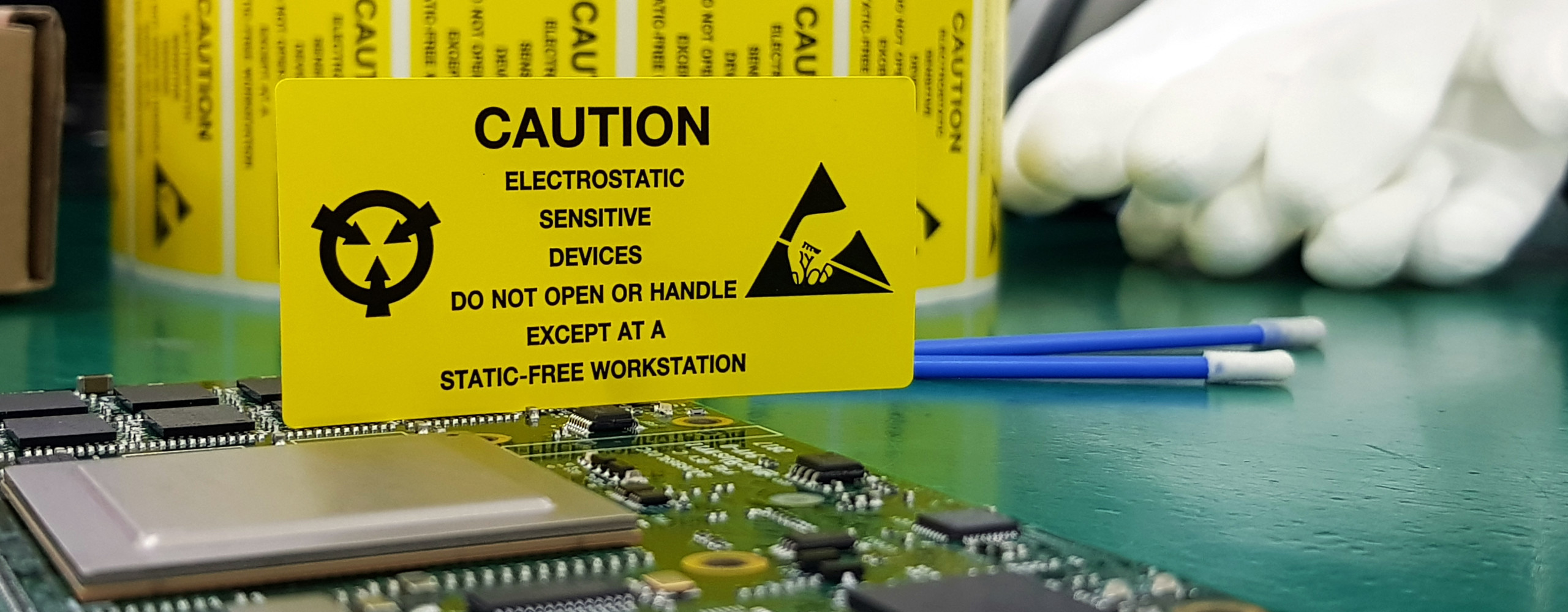
ESD-safe workstations in the defence industry
Why ESD safety is crucial in the defence sector
Electrostatic discharge (ESD) is an invisible risk. The consequences of ESD are often only noticed by the end user. For ordinary businesses, the consequences are frustrating: dissatisfied customers, damage to reputation and, in the worst case, claims for compensation. In safety-critical sectors, the consequences can be more serious – as is the case in the defence industry.
ESD compliance is therefore not merely a quality feature in the defence sector, but a prerequisite. This sector relies on highly sensitive electronics that must function flawlessly in an emergency. This is because the effects of electrostatic discharge can sometimes only become apparent months later – for example, through the failure of critical communication systems during operations.
ESD safety in the defence industry: these guidelines apply
In Germany, there are no ESD guidelines that are directly binding on manufacturers of electronic components – however, there is an obligation to prevent damage caused by electrostatic discharge during production. For suppliers to the aerospace and defence industries, compliance with certain standards is often even stipulated in contracts.
A commonly used standard in this field is DIN EN 61340-5-1. It sets out the requirements for electrostatic-protected areas (EPAs), work procedures, earthing and personal protection. The international equivalent is IEC 61340, which is also used more frequently in the defence sector.
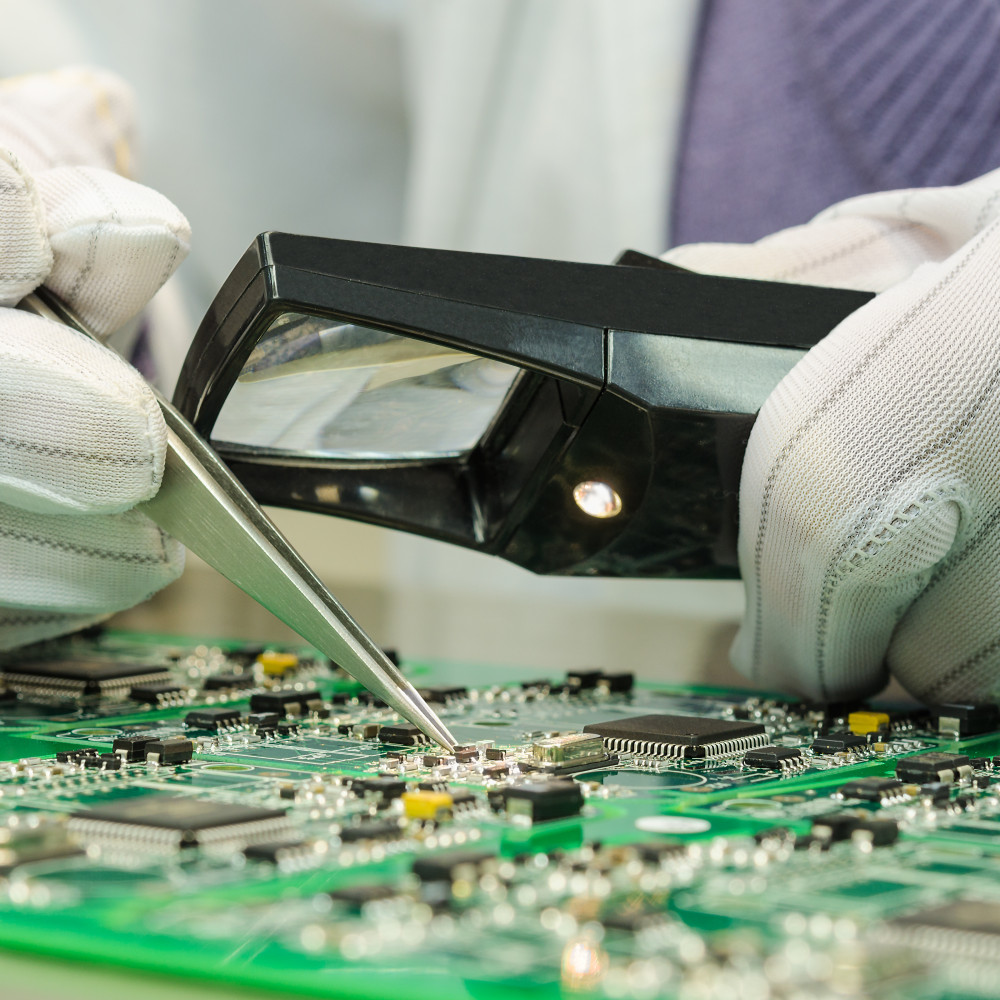
This is what an ESD-safe workplace looks like
An ESD-safe workplace is created through a holistic approach:
- Table
- Clothing
- Floors
- Tools
These and many other components must meet certain standards in order to be suitable for electronics manufacturing in the defence sector.
Work is carried out in Electrostatic Protected Areas (EPAs), where no uncontrolled static charges are generated. This is made possible by the use of conductive materials. Our ESD-safe workbenches are designed in the same way. They meet the highest quality standards and are therefore also suitable for use in the defence industry. Thanks to their modular design, they meet the various requirements of the defence sector.
Our ESD workbenches for the defence sector
In the defence industry, systems such as QUADRO or QUADRO Twin are typically used. As a laboratory workbench, the Twin is, for example, fitted with an ESD document holder, a storage shelf, an LED worklight or tool holder panels. The classic QUADRO is used by one of our defence customers as a row of workbenches – consisting of three workbenches – or as a corner workbench combination.
As the latest addition to the range, the TriMax is a first-class option. TriMax was developed to meet the requirements of high-tech environments. The system combines a high level of ESD protection, ergonomic adaptability and technical functionality in a modular design.
For use in the defence sector, the ESD-compliant design and the modular expandability of the systems are particularly important. LED system lights provide good illumination of the work surface, facilitate fine motor skills when working with sensitive components and thus enhance process reliability.
Conclusion: ESD-safe workbenches from KARL for the defence sector
ESD safety is essential in the defence industry. Even the smallest production errors can have serious consequences. Consequently, the requirements for production environments that comply with standards are high.
An ESD-safe workstation comprises all components – from the floor to the workbench. Our systems meet these requirements and are used in the defence sector in models such as the QUADRO and QUADRO Twin, amongst others.