 DE
DE
Lifting correctly: It all comes down to ergonomics and the workplace
Logistics places considerable demands on staff. Heavy loads and regular lifting take their toll on the body. Even small measures can help alleviate this and provide staff with noticeable relief.
In this article, you can read about what matters when lifting and how the workplace can support you in this.
Why lifting correctly is so important
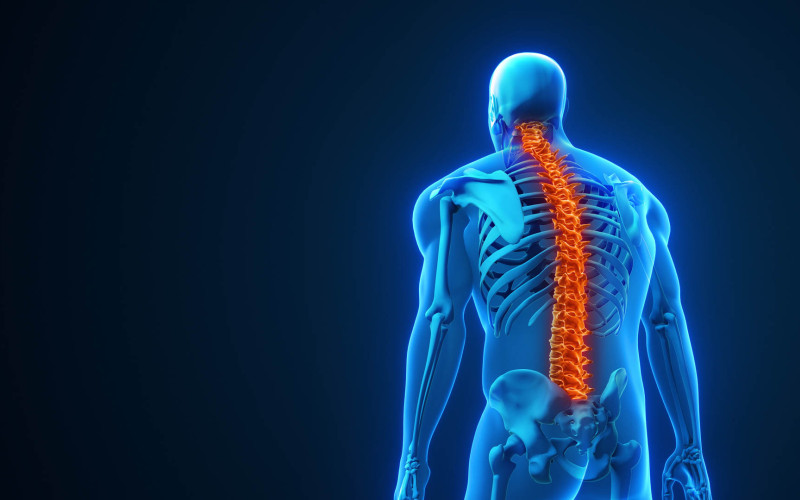
Incorrect lifting and carrying is one of the the most common causes of accidents at work. Lifting heavy loads incorrectly, making sudden movements or distributing weight unevenly places unnecessary strain on the spine and joints. Anyone who consistently lifts incorrectly risks muscle tension, chronic pain, lumbago or, in serious cases, even slipped discs. Some of these injuries are immediately noticeable, whilst others only become apparent after some time.
Lifting correctly not only protects against these conditions, which are in fact preventable, but maintains mobility and physical strength in the long term. This helps to maintain staff health over the long term and effectively prevents absences from work.
Ergonomic lifting: How to do it
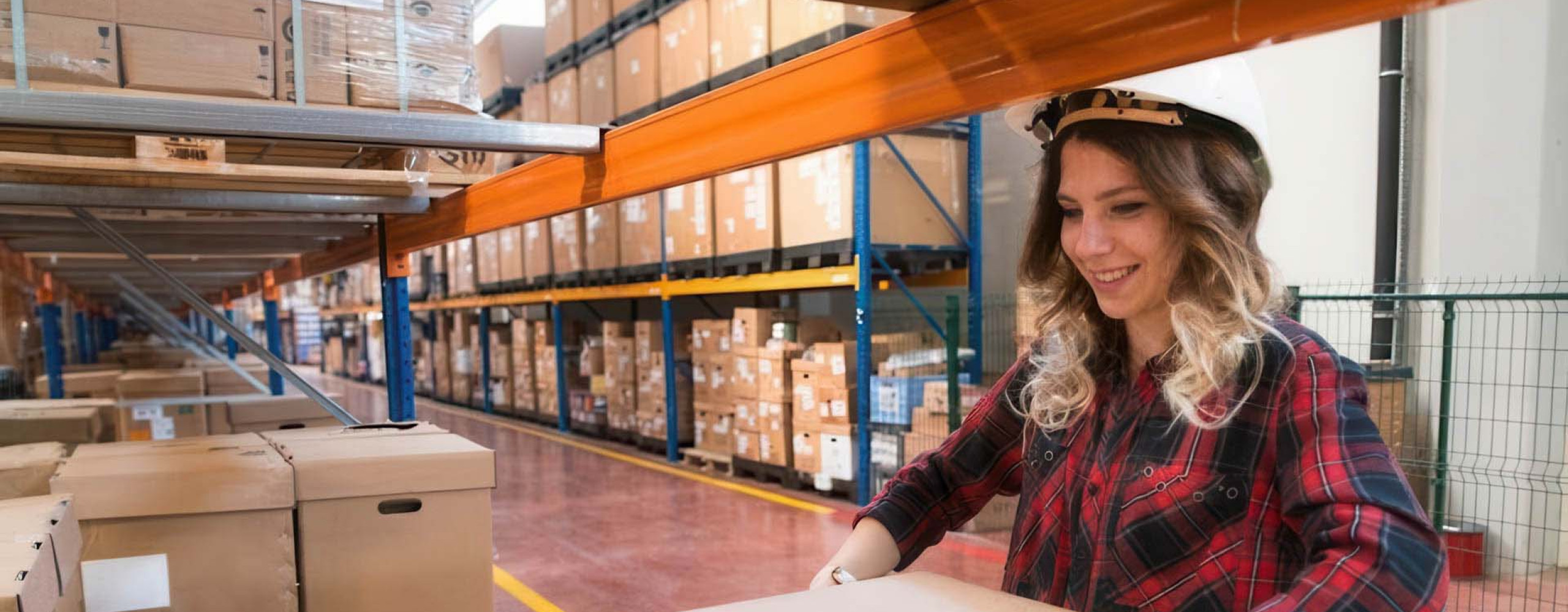
Proper lifting is all about reducing the strain on the body by avoiding incorrect or jerky movements. The focus is on the Protecting your back. In line with what is probably the best-known rule of ergonomic lifting, one should always from the legs and never be lifted from behind. This means: move close to the load, bend your knees and stand with your feet wide apart. The Keep your back straight – so it is neither a swayback nor a hunchback.
Once you’re back in a standing position, it’s important to keep the load close to your body. You must avoid twisting your upper body at all costs. Small steps are best for changing direction. Once you reach your destination, never set the load down abruptly. The same principle applies here as when lifting: keep your back straight, squat down, and stand with your feet wide apart. Then set it down carefully.
Staff should seek assistance if they feel they can no longer comfortably lift the load on their own. The load should then either – where possible – be split into several trips or another person should be asked for help. Furthermore, wherever possible, Resources such as transport trolleys or lifting systems.
How to reduce strain in the workplace when lifting
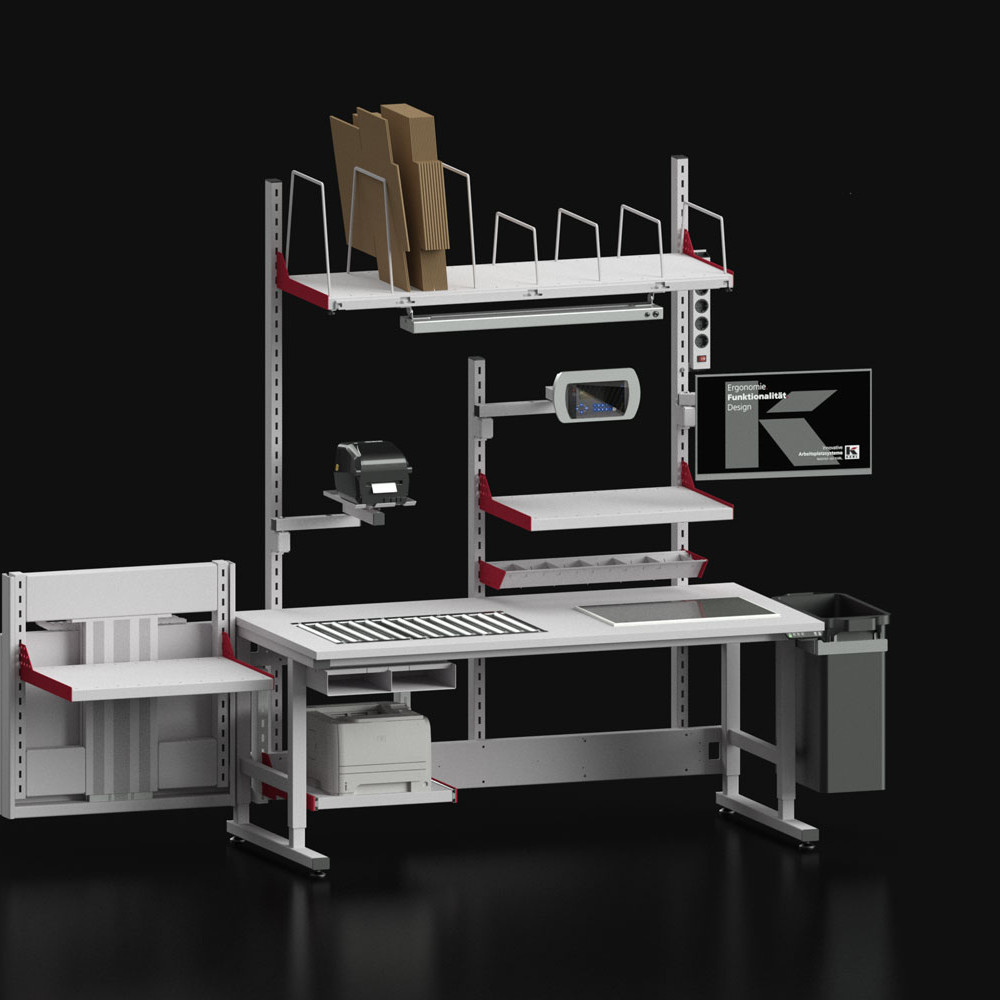
A ergonomically designed workstation helps to reduce the physical strain on staff whilst carrying out their daily tasks. A workplace system should therefore be optimally suited to the individual requirements to suit the different employees, who prefer different sizes depending on their build.
A height-adjustable workstation such as SINTRO PACKING is specifically designed to meet the requirements of the logistics sector – where lifting is an integral part of day-to-day work. The accompanying lifting unit handles the lifting of heavy loads and supports the Staff health permanently.
A system like this automatically raises the load to the correct height, thereby relieving staff of repetitive, strenuous movements. Where large numbers of parcels pass across the table every day, a system like this pays off Resources quickly – not only does this protect staff health, but it also speeds up the entire logistics process.
Dos and Don’ts for Weight Training
Even minor mistakes when lifting can therefore put long-term strain on the body. However, with just a few simple measures, you can remedy this and create an ergonomic workplace. This involves two aspects: measures that employees can carry out themselves, and an optimal workplace set-up.
Dos:
- Keep loads close to your body
- Squat down to lift the object
- Take a firm stance
- Work out your whole body
- Keep your back straight
- Ask colleagues for help
- Using aids: e.g. SINTRO PACKEN with lifting unit
Things not to do:
- Lift from the back
- Carrying heavy loads on your own
- Move only your upper body
- Shift your weight to one side of your body
SINTRO PACKING: We’d be happy to advise you
Lifting correctly protects your health, prevents absences and makes day-to-day work easier. When combined with ergonomic workplace solutions such as SINTRO PACKEN with a lifting unit, physical strain can be significantly reduced.
Would you like to make your logistics workstations more ergonomic? Then find out now about the options offered by SINTRO PACKEN.
Even more fascinating topics
How the workplace system in the defence sector remains flexible
The defence industry is expected to deliver faster than ever before, yet no one knows how long demand will remain high. What is needed is a manufacturing process that can…
The dangers of electrostatic discharge (ESD)
A tiny spark with major consequences: electrostatic discharges can damage or completely destroy electronic components – sometimes without anyone even noticing. In this article, you’ll find out what risks ESD…
The Chameleon TriMax: A look at its versatility
Production processes are changing – and with them, the demands placed on the workplace. The Chamäleon TriMax is designed to keep pace with this change: it is flexible, ergonomic and…
Why ergonomics is important in electronics manufacturing
Precision work places particular demands on ergonomics. Find out what is important when it comes to ergonomic workstations in electronics manufacturing, what role ESD protection plays, and how these two…