
 DE
DE
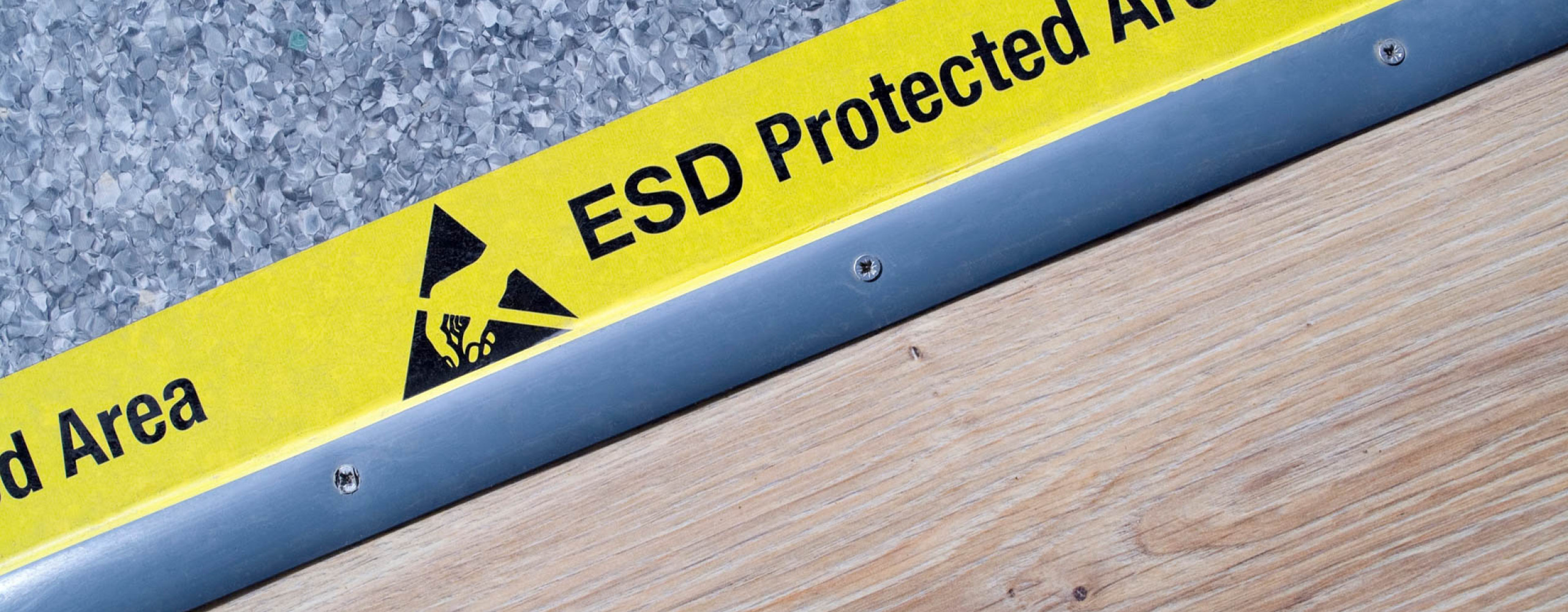
The dangers of electrostatic discharge (ESD)
A tiny spark with major consequences: electrostatic discharges can damage or completely destroy electronic components – sometimes without anyone even noticing. In this article, you’ll find out what risks ESD poses and how to protect sensitive components in the workplace.
How ESD poses a risk to electronic components
Many electronic components are susceptible to ESD – particularly sensitive semiconductor devices. If an electrostatic discharge occurs, it can lead to malfunctions, damage or complete failure of the component.
A distinction can be made between damage that is immediately apparent and damage that goes unnoticed at first. Furthermore, under certain conditions, ESD can also be dangerous to humans.
Catastrophic Failure: immediate ESD failure
It is relatively rare for electrostatic discharge to cause a component to fail completely and immediately. Experts estimate that these so-called ‘catastrophic failures’ account for only a small proportion of ESD damage.
In this case, ESD has damaged or destroyed the internal structures of the affected components to such an extent that the damage is immediately apparent. The component usually needs to be replaced. A real-world example would be a microprocessor that burns out and becomes unusable after a single static discharge.
A ray of hope: damage of this sort is usually spotted before an affected component leaves the warehouse.
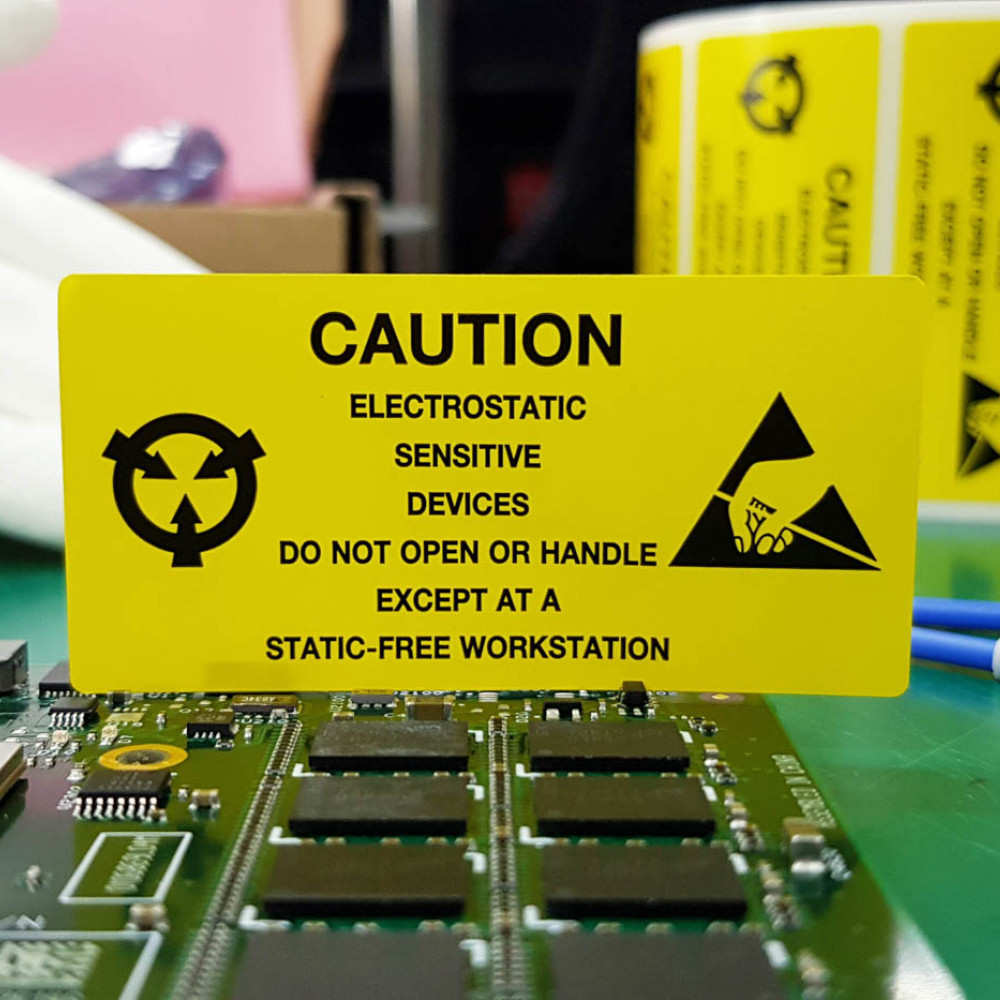
ESD: Hazards to people and the working environment
Electrostatic discharges are, in principle, harmless to healthy people. You have no doubt experienced a minor electric shock caused by ESD at some point. Such shocks are nowhere near strong enough to disrupt the heart rhythm of healthy people.
However, if a person carrying a static charge discharges it in an environment containing flammable gases, liquids, vapours or dust, the spark alone can cause fires or explosions. ESD protection is therefore not only a matter of product quality, but also of health and safety at work.
How to ensure ESD safety in the workplace
To successfully protect a workplace from electrostatic discharge, a combination of ESD measures and rules of conduct is implemented. Staff must understand the importance of an electrostatic-protected area (EPA) in order to apply the measures consistently. An EPA includes:
- Personal protective equipment such as ESD lab coats or ESD shoes
- ESD-compliant containers and tools
- Suitable cleaning products
- Personal earthing before entering the EPA
- ESD-safe workstations
Any surface that comes into contact with an electronic component must be protected against electrostatic discharge. Some workstation systems, such as the TriMax, are specifically designed for use with sensitive electronic components. Consequently, all surfaces are also suitable for use in a cleanroom.
Consistent ESD protection, involving appropriate equipment, clear rules of conduct and ESD-safe workstations, helps to reduce these risks in a targeted manner.
Further articles
The dangers of electrostatic discharge (ESD)
A tiny spark with major consequences: electrostatic discharges can damage or completely destroy electronic components – sometimes without anyone even noticing. In this article, you’ll find out what risks ESD…
The Chameleon TriMax: A look at its versatility
Production processes are changing – and with them, the demands placed on the workplace. The Chamäleon TriMax is designed to keep pace with this change: it is flexible, ergonomic and…

Why ergonomics is important in electronics manufacturing
Precision work places particular demands on ergonomics. Find out what is important when it comes to ergonomic workstations in electronics manufacturing, what role ESD protection plays, and how these two…

Industrial shelving systems: A comparison of our shelving ranges
Large, small, steel, wood – we’ve got plenty of shelving to choose from. With so much choice, it can sometimes be hard to decide. In this article, we’ll give you…